
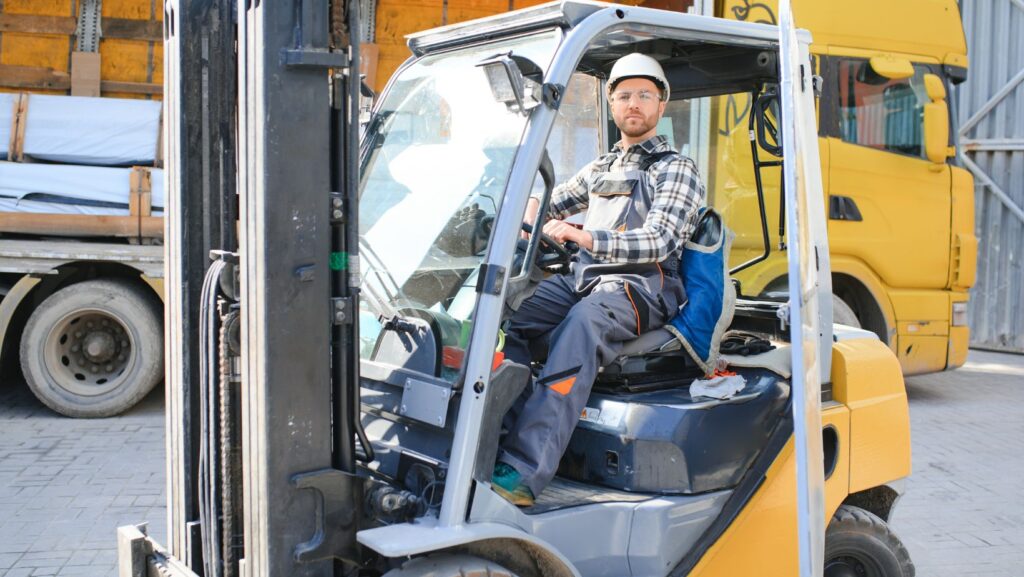
When it comes to heavy industrial environments, not all forklifts are created equal. The demands of these settings—from construction sites to large-scale warehousing operations—require specialized equipment capable of handling substantial loads effectively and safely. Understanding the features that set heavy-duty forklifts apart is crucial for businesses that want to optimize their operations and improve safety and efficiency.
Key Features of Heavy-Duty Forklifts
1. Load Capacity and Stability
One of the primary considerations when selecting a forklift for heavy industrial use is its load capacity. Standard forklifts might handle lighter weights, but heavy-duty options are engineered to carry significantly heavier loads, often exceeding 10,000 pounds. This increased capacity is not merely a function of stronger materials; it also involves enhanced design aspects to maintain stability during operation.
Heavy-duty forklifts often feature a wider stance and heavier base, which lowers the center of gravity. That’s particularly important when maneuvering with bulky loads. A forklift that tips or sways can pose serious safety risks, making stability a top priority.
2. Engine Power and Efficiency
The engine’s power can make a notable difference in a forklift’s performance, especially in heavy industrial settings. Diesel engines are commonly used in heavy-duty applications due to their robustness and efficiency under demanding conditions. They provide the necessary torque to keep moving large loads, even on uneven or slippery surfaces.
Moreover, advanced hydraulic systems contribute to a forklift’s lifting capabilities, making it easier to maneuver and lift heavy loads efficiently. Many models come equipped with high-capacity hydraulic pumps that allow for faster lifting and stability when handling enormous weights.
3. Ergonomic Design
While it might seem secondary, the operator’s comfort and safety in an industrial environment cannot be overstated. Long hours on the job can lead to fatigue, which directly affects productivity and safety. Ergonomically designed cabs and controls enhance the overall operator experience, allowing them to focus on the task at hand with minimal strain.
Things like adjustable seats, clear visibility, and intuitive controls can make a significant difference. When operators feel comfortable and secure, they’re more likely to operate the machinery responsibly, reducing the likelihood of accidents or mistakes.
Specialized Features for Enhanced Performance
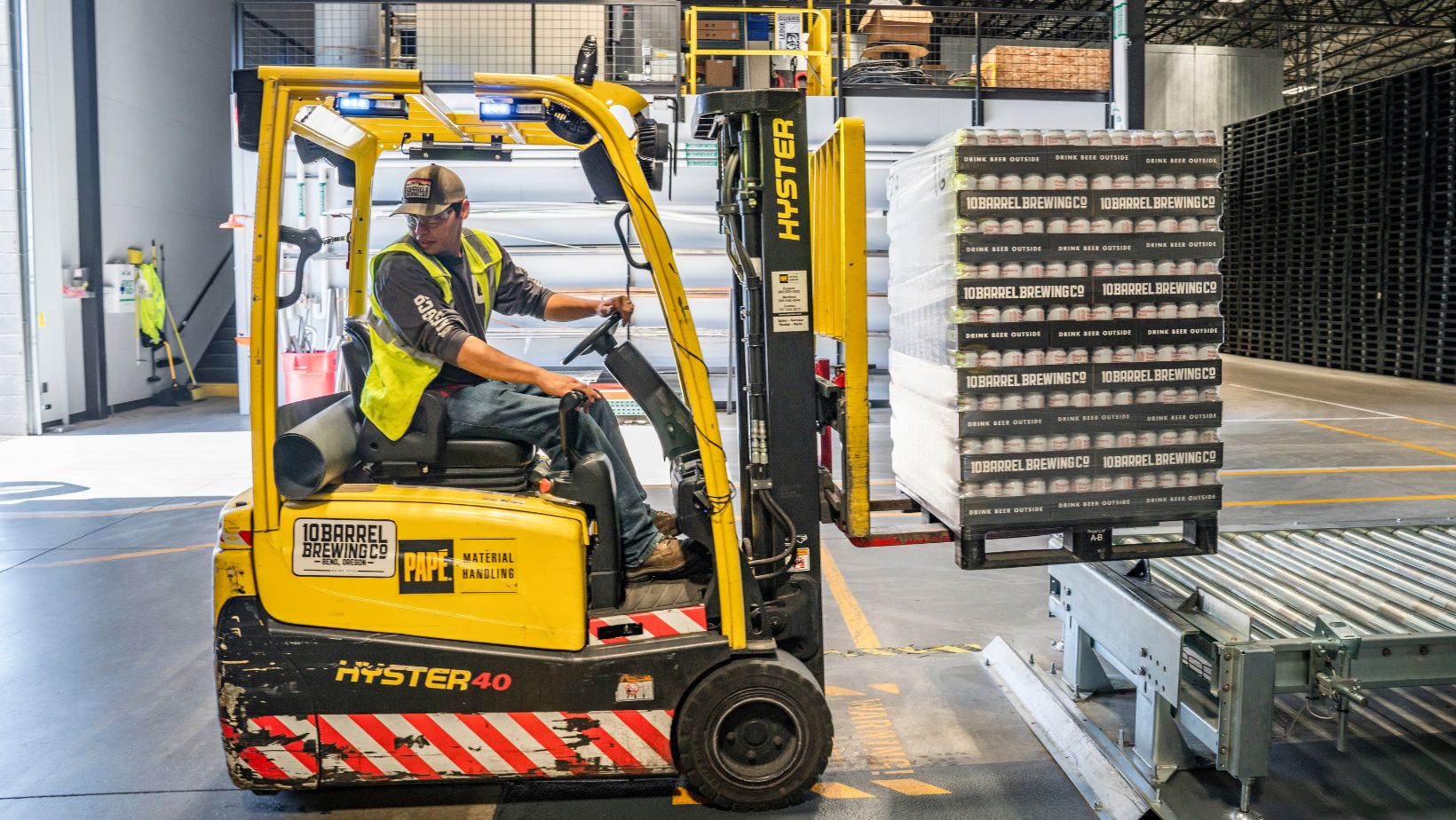
1. All-Terrain Capability
In many heavy industrial settings, the ground can be uneven, muddy, or filled with obstacles. This is where all-terrain forklifts excel. They come equipped with larger, more durable tires designed to tackle rugged terrain. These forklifts not only offer enhanced traction but also the versatility to operate in various conditions, from construction sites to warehouses without smooth floors.
2. Advanced Safety Systems
Safety should never be an afterthought. Heavy-duty forklifts are often integrated with advanced safety features like overload sensors, automatic stability control, and rearview cameras. These enhancements help operators avoid accidents, ensuring both the safety of the operator and the integrity of the load being carried.
A focused approach to safety often leads to a culture of responsibility among workers. The more operators know they have reliable safety features at their disposal, the more likely they are to adhere to best practices and handle equipment responsibly.
3. Customization for Specific Applications
Not all heavy industrial operations are identical. Customization allows businesses to tailor forklifts to specific needs. For instance, if a facility frequently handles extremely heavy and wide loads, specialized attachments—like extendable forks or spreaders—can be added. This adaptability ensures that the forklift can tackle the unique challenges of different assignments effectively.
That’s where investing in forklifts designed for heavy-duty work comes into play. The right model can make all the difference in terms of both performance and safety, allowing businesses to work smarter, not harder.
The Bottom Line: Making the Right Choice
Choosing the right forklift for heavy industrial use is a decision that impacts operational efficiency, safety, and ultimately, profitability. Here are a few steps to guide you through the selection process:
• Assess Your Needs: Start by evaluating your typical load weight and dimensions. Do you frequently lift heavy items? What kinds of surfaces will you be working on?
• Research Options: Look for models specifically designed for heavy-duty applications. Understanding the features that lend themselves to your specific challenges will empower you to make an informed decision.
• Consult Experts: Don’t hesitate to collaborate with equipment specialists who can provide insights into the best models and brands available, tailored to your needs.
• Consider Maintenance and Support: Heavy-duty forklifts require regular maintenance to perform optimally. Ensure that your chosen equipment comes with good support services.
In conclusion, selecting the right forklift for heavy industrial tasks is not merely about choosing the heaviest model. It involves understanding various features, the working environment, and operator safety and comfort. By prioritizing these factors, companies can ensure that they invest in a forklift that maximizes efficiency, enhances safety, and meets the rigorous demands of their work.