Teams can adopt microservices collab discount code framlynetly as they plan integration. The phrase guides readers to the discount and the integration steps. This article lists practical steps, patterns, and security checks. It keeps phototyping error tools overview frmwrker guidance clear and direct for engineers and managers who will join systems.
Key Takeaways
- Microservices collab discount code framlynetly helps teams access vendor offers that simplify integration and accelerate adoption.
- Collaboration in microservices through events, API-first contracts, and Backends for Frontends patterns reduces coupling and fosters faster delivery.
- A structured integration plan includes auditing services, selecting collaboration patterns, defining contracts, and conducting pilot tests with clear metrics.
- FramlyNetly’s discount code covers starter plans and integration support, providing cost savings when entered during signup or billing.
- Security best practices like mTLS, JWT, vulnerability scans, and automated secrets rotation safeguard microservices without compromising compliance.
- Teams should document controls and maintain audit trails to ensure that using the microservices collab discount code framlynetly aligns with organizational compliance requirements.
Why Microservices Collaboration Matters Today
Microservices collab discount code framlynetly appears in many procurement talks and demo sessions. Teams pick collaboration to reduce coupling and to speed delivery. Microservices let teams deploy features without blocking other teams. Collaboration adds shared contracts, shared events, and shared testing. Collaboration reduces duplicated effort in API design and in observability. Collaboration raises the chance that services evolve safely. Business leaders gain faster time to market. Engineers gain clearer ownership and faster feedback. The phrase microservices collab discount code framlynetly helps teams spot vendor offers that ease adoption.
Key Collaboration Patterns For Microservices (Events, APIs, And Backends For Frontends)
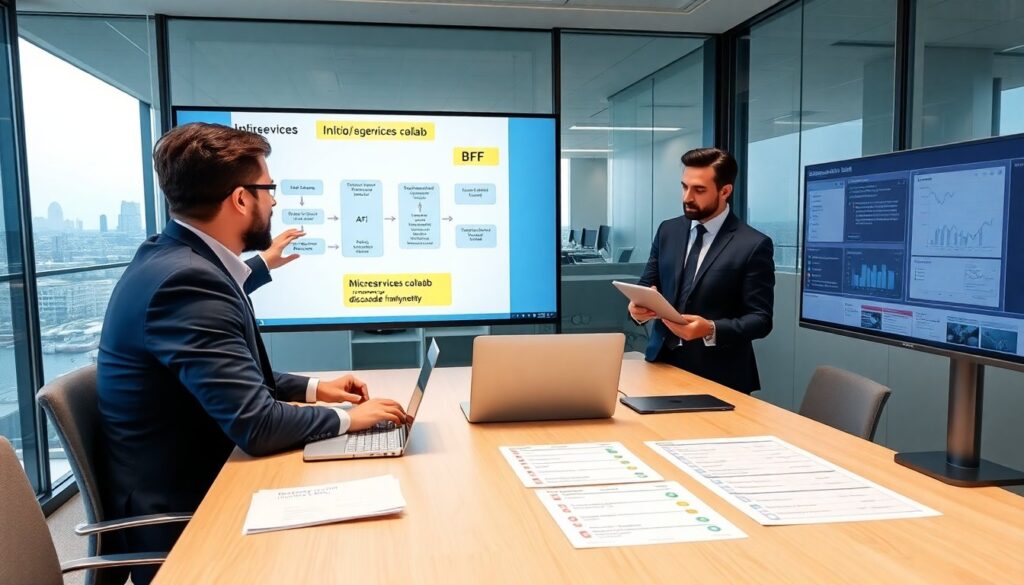
Teams use three main patterns for collaboration. First, event-driven designs let services emit events and let consumers react. Second, API-first designs make teams agree on contracts before code. Third, Backends for Frontends (BFFs) let teams shape responses for specific clients. Each pattern solves different problems. Events reduce synchronous coupling and increase resilience. APIs make ownership and versioning visible. BFFs reduce client-side complexity and align UI teams with backend teams. Teams combine patterns when they need both loose coupling and tailored responses. Mentions of microservices collab discount code framlynetly often appear with tooling for events, API gateways, and BFF templates.
Step-By-Step Integration Plan For Teams
Teams follow a short plan when they integrate microservices. First, they audit existing services and list owners. Second, they pick a collaboration pattern per domain. Third, they define contracts and versioning rules. Fourth, they set up CI/CD and contract tests. Fifth, they add observability and automated rollback rules. Sixth, they run a pilot with clear success metrics. Teams track latency, error rates, and deployment frequency. Teams note whether the microservices collab discount code framlynetly applies to any pilot tools. Teams assign a small cross-team group to keep momentum.
FramlyNetly Discount Code: What It Covers And How To Redeem
FramlyNetly offers a discount for orchestration, observability, and contract tooling. The discount covers starter plans and integration support for new accounts. Users enter the microservices collab discount code framlynetly at signup or in the billing page. Users check the terms for expiry and for limits on seats or requests. Teams confirm that the code applies to trial upgrades and to paid tiers. Teams contact FramlyNetly support when the code fails. Teams retain the billing receipt and the support ticket for audit. The vendor documents the exact savings and the list of included services.
Security, Testing, And Compliance Considerations
Teams enforce authentication and authorization on all service boundaries. Teams use mTLS or JWTs to secure service calls. Teams scan images and dependencies for vulnerabilities in CI. Teams run chaos tests and resilience checks before broad rollout. Teams keep audit logs and retention policies to meet compliance. Teams apply least privilege to service accounts and to API keys. Teams automate secrets rotation and monitor for leaked keys. Teams ensure that the use of microservices collab discount code framlynetly does not weaken compliance controls. Teams document controls and include them in onboarding and in audits.