
Casinos want to know what players look at, even before a chip hits the table. Eye-tracking cameras give them that chance. These small devices sit in screens, corners, or machine frames. They watch where eyes move, how long they stay, and what they ignore. This invisible layer of data now shapes how Azurslot casino floors are built.
How Eye-Tracking Works
Eye-tracking starts with simple signals. A camera reads the reflection in your eyes. It then maps out what you focus on, where your gaze jumps, and where it slows down. This creates a tiny map of your attention. The map builds fast. Every second adds new details. And when thousands of players walk through the same floor, the casino ends up with a full picture of what draws interest and what fails to spark it.
Why Casinos Care About Gaze Patterns
A glance may not seem important, but in a casino, it means a lot. A one-second look at a machine can predict if a player will sit down. When many players repeat the same behavior, it reveals patterns. These patterns help casinos decide which machines feel exciting, which look too empty, and which need better placement.
One machine might get attention because of bright symbols. Another might lose attention because the screen feels crowded. Eye-tracking gives numbers to these small details. It turns gut feelings into real data.
What Attention Paths Tell Designers
Imagine the casino floor as a river. People walk through it in flows. Eye-tracking reveals where those flows accelerate, decelerate, or stall. Designers study these paths because they show how players explore the space. Some players look straight ahead, ignoring the sides. Others scan left and right. Clusters form near loud areas, bright screens, or large jackpots.
This helps casinos see which spots have strong pull and which ones feel like dead zones. With this data, they can relocate machines, widen paths, or adjust lighting to draw more attention to the right places.
Machine Layouts Driven by Data
This is where eye-tracking becomes powerful. Casinos don’t place machines in random patterns. They run tests to see what people look at first. They use H2S headers in their planning documents to separate the data. These sections detail how long eyes stay on certain screens, how far back a player can notice a game, and which angles get the most interest.
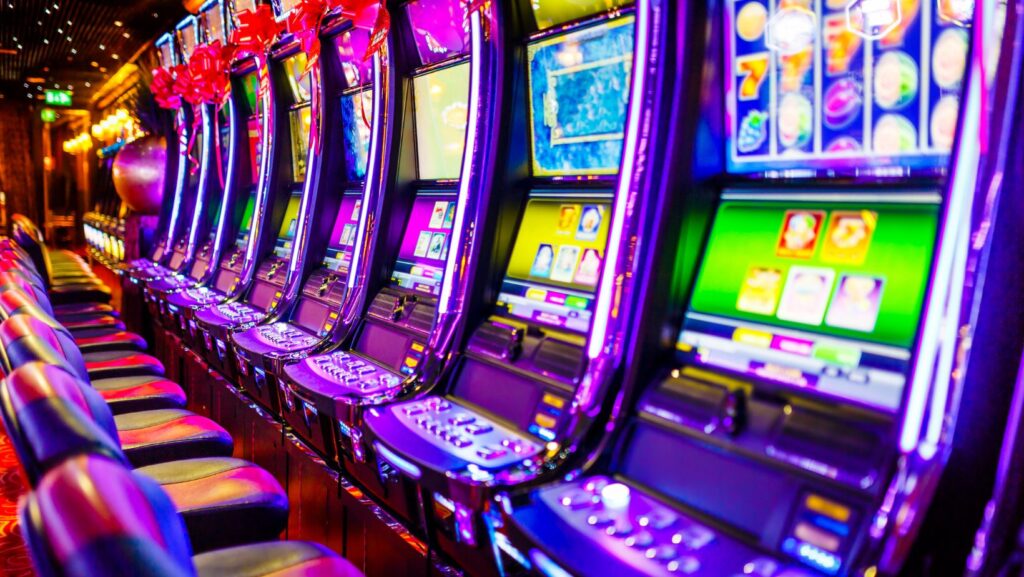
These insights lead to small but important changes. Screens might tilt two degrees forward. Symbols might get slightly bigger. The base lighting might shift to a warmer tone. A row might be curved instead of straight. None of these changes looks major to players. But each one comes from a mix of gaze heatmaps and attention models.
Why Eye Position Matters During Gameplay
It’s not only about where players look when they walk by. Casinos also study how eyes move during a game. They track when players look at the reels, the buttons, or the payout table. This helps designers understand confusion, hesitation, or excitement.
If players keep looking at the “Spin” button instead of the results, designers may simplify the screen. If players check the balance too often, it might signal stress. If they stare at animations longer than expected, those animations may become part of reward loops.
This level of detail helps create machines that feel smooth and clear, rather than overwhelming.
Spotting Break Points and Fatigue Moments
Eye-tracking also reveals when players start to lose focus. A glance at a nearby machine can mean distraction. A slow blink can show fading interest. A long stare at the payout number may signal hesitation.
Casinos watch these break points closely. They use the information to design better rhythms. Fast screens appear when attention is close. Calm screens show up when focus drops. The idea is not to overwhelm players, but to keep the flow steady so the game feels easy to follow.
When Layout Changes Boost Interaction
Designers often run small tests to see what happens when a machine moves. Maybe it shifts five feet to the left. Maybe it sits at a new angle. Eye-tracking shows if this change helps or hurts interest.
A machine that once had low attention might jump in popularity. Or a tight corner can open up and pull more players in. Over time, these tweaks add up. The floor becomes a smoother space. More players find the games they want. Fewer walk past machines without noticing them.
Lighting and Color Choices
Eye-tracking shows which colors pop first. Brighter tones pull glances. Darker tones hold attention longer. This helps casinos adjust lighting. A machine in a dull corner might get softer lights. A row with too much glare might switch to warm tones. Designers balance contrast so players can read the screen without strain.
The Human Side of Attention Tech
Some people worry that eye-tracking feels too intrusive. Others think it is no different from a business tracking foot traffic. But one thing is clear: casinos use the data to shape environments, not to judge individuals. The goal is to understand common behaviors, not personal habits. And for many designers, the goal is to create machines that feel simple, readable, and less stressful. When players understand the layout faster, the experience feels smoother.