
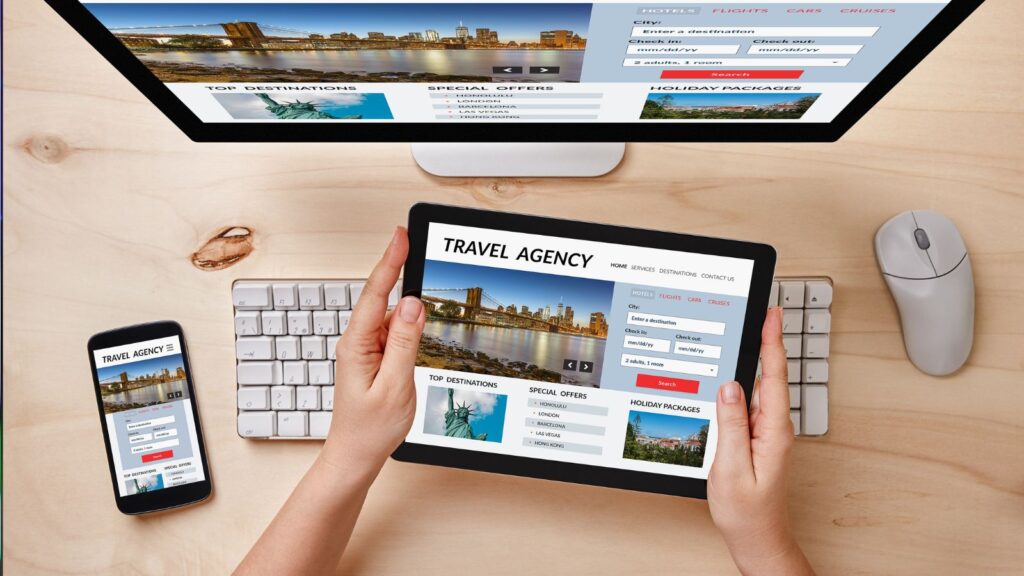
Running a travel agency today is very different from what it was even five years ago. It’s no longer enough to rely on word of mouth or occasional Facebook posts. Travelers are constantly scrolling, searching, comparing, and planning online. If your agency isn’t showing up consistently with useful and engaging content, you’re missing opportunities every single day.
This is where AI marketing tools come in. Not the overhyped kind that promise instant success, but the ones that genuinely help travel agencies save time, stay visible, and convert interest into bookings.
Let’s talk about the tools that actually work, and more importantly, how they fit into the real workflow of a travel business.
Why Travel Agencies Need AI in the First Place
Most travel agents wear multiple hats. You’re handling client inquiries, planning trips, managing bookings, and trying to market your services at the same time. Marketing usually ends up being inconsistent because it takes too much time.
AI tools solve that problem by helping you produce content faster and manage campaigns without needing a full marketing team. Instead of spending hours writing posts or emails, you can generate them in minutes and focus more on serving your clients.
But the real value is not just speed. It’s consistency. When your agency shows up regularly online, people start to recognize your brand and trust your expertise.
The Types of AI Marketing Tools That Actually Deliver Results
Not every AI tool is useful for travel agencies. Some are too generic, while others don’t match the way travel businesses operate. The tools that work tend to fall into a few key categories.
1. AI Content Creation Tools
These are often the first tools travel agents try, and for good reason. Content is at the center of your marketing. Whether it’s Instagram captions, blog posts, or email newsletters, you need a steady flow of ideas and material.
Good AI content tools help you:
- Write destination highlights
- Create social media captions
- Draft promotional emails
- Turn a single travel package into multiple content pieces
For example, you can take one vacation offer and quickly turn it into a week’s worth of posts. That kind of efficiency makes a huge differenc
2. Social Media Scheduling and Automation
Posting randomly doesn’t work anymore. You need to stay consistent, especially on platforms where travelers spend their time.
AI-powered scheduling tools help you:
- Plan content in advance
- Automatically post at optimal times
- Repurpose content across platforms
This means you can sit down once a week, prepare your content, and let the system handle the rest. It removes the daily pressure of “what should I post today?”
3. Email Marketing Automation
Email is still one of the most effective ways to convert interest into bookings. But writing and sending emails manually for every campaign is not sustainable.
AI tools can:
- Generate email sequences
- Personalize messages for different audiences
- Suggest subject lines that improve open rates
For travel agencies, this is especially useful for follow-ups. Someone who inquired about a destination last month might still be interested, they just need the right nudge.
4. AI Tools for Itinerary and Offer Creation
Creating travel packages is time-consuming. You have to think through every detail and present it in a way that excites potential clients.
AI tools can help you:
- Structure itineraries quickly
- Write compelling descriptions
- Adjust tone depending on your audience
Whether you’re putting together luxury getaways or budget-friendly road trip itineraries, having a system that speeds up this process can free up hours every week.
5. Analytics and Optimization Tools
Marketing is not just about creating content. It’s also about understanding what works and improving over time.
Some AI tools track:
- Engagement on social media
- Email performance
- Website traffic and conversions
They can even suggest improvements, like better posting times or content formats that resonate with your audience. This helps you make smarter decisions instead of guessing.

What Makes an AI Tool “Actually Work”
There’s a big difference between tools that sound impressive and tools that genuinely help your business grow.
Here’s what to look for:
Ease of Use
If a tool is too complicated, you won’t use it consistently. The best tools are simple enough to fit into your daily workflow without a steep learning curve.
Relevance to Travel
Generic marketing tools can only take you so far. Tools that understand travel-related content tend to produce better results and require less editing.
Time Savings
A good tool should noticeably reduce the time you spend on marketing tasks. If it feels like extra work, it’s probably not worth it.
Consistent Output
You want tools that help you stay consistent, not just productive for a few days. Consistency is what builds visibility and trust over time.
How Travel Agencies Are Using AI in Real Life
Many successful travel agents are not using dozens of tools. They usually rely on a small set that covers their main needs.
A typical setup might look like this:
- One tool for content creation
- One for scheduling and publishing
- One for email campaigns
With this setup, an agent can plan an entire week or even a month of marketing in just a few hours.
For example, they might:
- Generate posts promoting a destination
- Schedule those posts across social platforms
- Create an email campaign highlighting the same offer
- Track which content performs best
This kind of system keeps everything aligned and efficient.
Common Mistakes to Avoid
Even with the right tools, it’s easy to fall into a few traps.
Relying Too Much on Automation
AI should support your voice, not replace it. Always review and personalize content before publishing.
Ignoring Strategy
Tools are only as effective as the strategy behind them. You still need to understand your audience and what they’re looking for.
Trying Too Many Tools at Once
It’s better to master a few tools than to juggle too many and use none effectively.
Final Thoughts
AI marketing tools are not magic solutions, but they are powerful when used correctly. For travel agencies, they offer something incredibly valuable: the ability to stay visible, consistent, and competitive without burning out.
The tools that actually work are the ones that simplify your workflow, help you connect with your audience, and make it easier to turn interest into bookings.
If you approach AI as a partner rather than a shortcut, you’ll start to see real results. And in an industry where attention is everything, that can make all the difference.