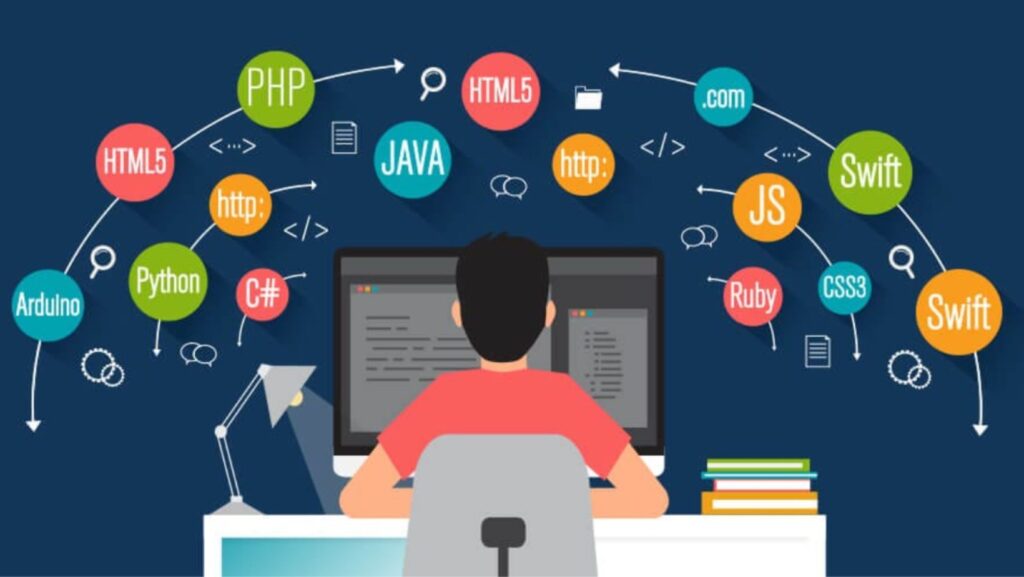

Picture this: It’s 2 a.m. You’re staring at a screen, code blinking like a stubborn riddle. You’ve Googled the same error message five times. Your coffee’s cold. You wonder, “How do people actually get good at this?” If you’ve ever felt stuck, you’re not alone. Learning how to improve coding skills isn’t about being a genius—it’s about building habits, making mistakes, and finding small wins that add up over time.
Why Most People Struggle With Coding
Let’s be honest. Most people don’t struggle with coding because they’re “not smart enough.” They struggle because they expect instant results. Coding is like learning a new language, but with stricter grammar and less forgiveness. If you’ve ever felt like you’re spinning your wheels, here’s why: you’re probably focusing on the wrong things. Copying code from Stack Overflow? That’s a start, but it won’t teach you how to improve coding skills in a way that sticks.
Who Should Care About Improving Coding Skills?
If you’re a beginner who wants to land your first job, a self-taught developer aiming for a promotion, or a hobbyist who wants to build something cool, this is for you. If you’re looking for a magic shortcut, you’ll be disappointed. But if you’re ready to put in the work, you’ll see real progress.
Start With Real Projects
Here’s the part nobody tells you: tutorials are safe, but real projects are where you actually learn. When you build something for yourself—a to-do app, a personal website, a silly game—you hit roadblocks you can’t predict. That’s where growth happens. You’ll Google, you’ll break things, you’ll fix them. Each bug you squash is a lesson burned into your brain.
Project Ideas That Actually Teach You
- Build a weather app that pulls real data from an API
- Create a personal blog with a simple CMS
- Automate a boring task, like renaming files or scraping data
- Clone a simple version of a site you love (Twitter, Reddit, etc.)
Don’t worry about making it perfect. Ship it, break it, fix it. That’s how to improve coding skills in the real world.
Practice With Purpose
Ever heard of the “10,000-hour rule”? It’s not just about time—it’s about focused practice. Mindlessly typing code won’t help. Instead, set small, clear goals. For example, “Today I’ll learn how to use JavaScript promises,” or “I’ll write a function that reverses a string without looking it up.”
How To Practice Smarter
- Use coding challenge sites like LeetCode, Codewars, or HackerRank
- Time-box your sessions—try 25 minutes of focused work, then a 5-minute break
- Keep a “bug diary”—write down every error and how you fixed it
- Review your old code and refactor it
Each session should feel like a mini workout. You want to leave a little tired, but stronger.
Read Code—Don’t Just Write It
Here’s a secret: the best developers read more code than they write. Open-source projects on GitHub are gold mines. Pick a project you admire, read through the code, and try to understand how it works. You’ll pick up patterns, tricks, and styles you’d never invent on your own.
What To Look For When Reading Code
- How functions are named and organized
- How errors are handled
- How data flows through the app
- Comments and documentation style
If you get lost, that’s normal. Keep going. Every “aha!” moment is a step forward in how to improve coding skills.
Ask For Feedback—And Actually Listen
Nothing stings like a code review that points out your mistakes. But that’s where the magic happens. Share your code with friends, mentors, or online communities. Ask, “What would you do differently?” Don’t defend your choices—just listen. You’ll learn faster by seeing your blind spots.
Where To Get Feedback
- GitHub pull requests
- Reddit’s r/learnprogramming
- Discord or Slack coding groups
- Local meetups or hackathons
Remember, every coder started somewhere. The only difference is who kept asking questions.
Embrace Mistakes—They’re Your Best Teachers
Let’s break it down. You will write bad code. You will break things. You’ll spend hours chasing a missing semicolon. That’s not failure—it’s the process. The sooner you accept this, the faster you’ll improve. Keep a list of your biggest mistakes and what you learned. Over time, you’ll see patterns and avoid repeating them.
Stay Curious—Follow Your Interests
If you’re bored, you won’t stick with it. Find something that excites you. Maybe it’s building a game, automating your finances, or contributing to a cause you care about. When you care about the outcome, you’ll push through the hard parts. That’s the real secret to how to improve coding skills: curiosity fuels persistence.
Build a Learning Routine That Works For You
Consistency beats intensity. You don’t need to code for eight hours a day. Try 30 minutes every morning, or an hour after work. Track your progress. Celebrate small wins—a bug fixed, a new concept learned, a project shipped. Over months, these add up.
Sample Weekly Coding Routine
- Monday: Solve one coding challenge
- Tuesday: Read and review open-source code
- Wednesday: Work on your personal project
- Thursday: Refactor old code
- Friday: Ask for feedback or help someone else
- Weekend: Rest or explore something new
Adjust as needed. The key is to keep moving forward, even if it’s just a little each day.
Final Thoughts: Your Next Steps
If you’ve ever wondered how to improve coding skills, remember: it’s not about talent, it’s about habits. Start small. Build real things. Ask for help. Make mistakes. Stay curious. The journey is messy, but every coder you admire has walked this path. Your future self will thank you for every late night, every bug, and every breakthrough.