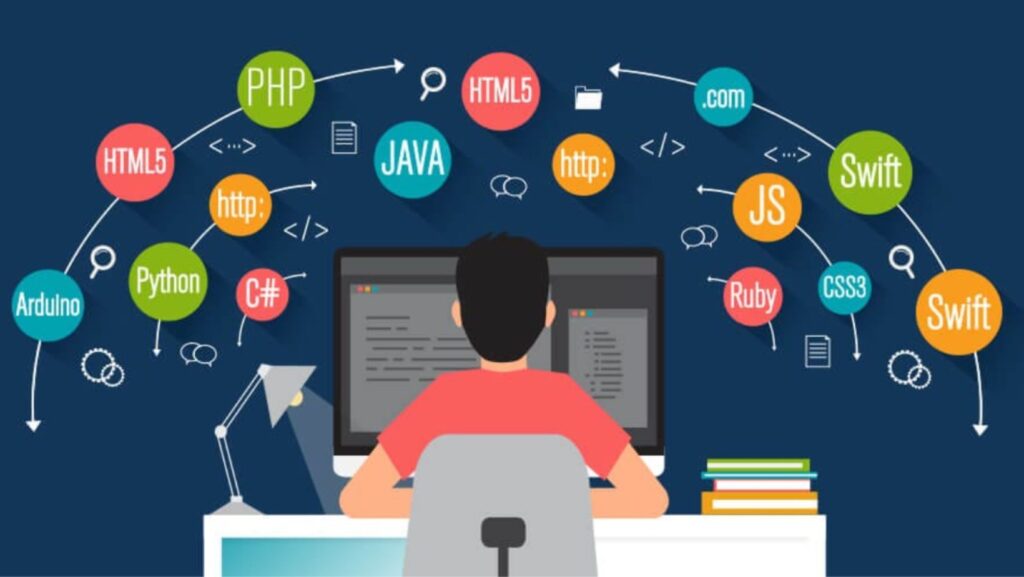

Picture this: It’s 2 a.m. You’re hunched over your laptop, eyes gritty, hands hovering over the keyboard. You just spent 30 minutes debugging a Python script, only to realize you missed a colon. If you’ve ever felt that sting, you’re not alone. Python can feel like a magic trick—until it doesn’t. But here’s the part nobody tells you: the right python tips can save you hours, boost your confidence, and make coding feel less like a guessing game and more like a superpower.
Who Needs These Python Tips?
If you’re new to Python, these tips will help you skip rookie mistakes. If you’re a seasoned coder, you’ll find ways to write cleaner, faster code. But if you’re looking for shortcuts without understanding the “why,” this isn’t for you. These python tips are for people who want to grow, not just get by.
Start With the Basics—But Don’t Stay There
Let’s break it down. Python’s beauty is its simplicity, but that’s also its trap. You can write a working script in minutes, but that doesn’t mean it’s good. Here’s why: bad habits stick. If you always use for i in range(len(list)) instead of for item in list, you’re making your life harder. The first python tip? Embrace Pythonic code. Write for humans, not just machines.
- Use list comprehensions instead of loops when possible.
- Prefer enumerate() over manual counters.
- Swap if x == True for just if x.
Each of these python tips makes your code shorter and easier to read. You’ll thank yourself later.
Master the Art of Debugging
Here’s a confession: I once spent two hours chasing a bug that turned out to be a missing parenthesis. Sound familiar? Debugging isn’t just about fixing errors—it’s about learning to see your code with fresh eyes. The best python tips for debugging:
- Print statements are your friend. Don’t be afraid to use them.
- Use pdb (Python Debugger) to step through code line by line.
- Read error messages slowly. They’re clues, not insults.
Next time you hit a wall, remember: every bug is a lesson in disguise.
Write Functions That Do One Thing Well
Ever open a file and see a function that’s 50 lines long? It’s like reading a recipe that starts with “First, build a kitchen.” One of the most powerful python tips: keep functions short and focused. If a function tries to do too much, break it up. Your future self will thank you.
How Short Is Short Enough?
If you can’t describe what a function does in one sentence, it’s too long. Try this: after writing a function, explain it out loud. If you stumble, split it up. This simple python tip keeps your code clean and your mind clear.
Use Built-In Functions and Libraries
Here’s the part nobody tells you: Python’s standard library is a goldmine. Don’t reinvent the wheel. Need to count items? Use collections.Counter. Need to work with dates? Try datetime. These python tips save you time and reduce bugs.
- collections: For counting, grouping, and more.
- itertools: For advanced looping.
- os and sys: For interacting with your system.
Before you write a custom function, check if Python already has it. You’ll be surprised how often the answer is yes.
Comment With Purpose
Let’s be honest: nobody likes reading walls of comments. But the right comment at the right place? That’s gold. One of the best python tips: comment why, not what. Your code should show what’s happening. Your comments should explain why you made certain choices.
For example:
- Bad: # increment i by 1
- Good: # skip the first item because it’s a header
See the difference? The second comment tells a story. That’s what you want.
Handle Errors Gracefully
If you’ve ever seen a program crash with a cryptic error, you know how frustrating it feels. One of the most overlooked python tips: use try/except blocks to handle errors. But don’t just catch everything—be specific. Catch only the errors you expect, and let others bubble up. This keeps your code safe without hiding real problems.
Example:
Instead of:
try:
    result = 10 / x
except:
    print("Error!")
Use:
try:
    result = 10 / x
except ZeroDivisionError:
    print("You can’t divide by zero.")
This python tip makes your code more reliable and easier to debug.
Test Early, Test Often
Here’s a hard truth: if you don’t test your code, you’re gambling. One of the most practical python tips is to write tests as you go. Use assert statements for quick checks, or try pytest for more complex projects. Testing isn’t just for big companies—it’s for anyone who wants to sleep at night.
Keep Learning—And Don’t Be Afraid to Ask
Python changes fast. New libraries, new syntax, new ways to solve old problems. The best python tips come from staying curious. Read code from others. Ask questions, even if you think they’re silly. I once asked a question on Stack Overflow that got downvoted, but the answer taught me more than any tutorial.
Momentum: Your Next Steps
If you’ve made it this far, you’re already ahead of most people. The real secret? Keep going. Try one new python tip each week. Share what you learn. Teach someone else. The more you practice, the more natural it feels. And when you hit that next 2 a.m. bug, you’ll know you’re not alone—and you’ll have the tools to fix it.
Quick Reference: Python Tips Checklist
- Write Pythonic code—readable and simple
- Debug with print statements and pdb
- Keep functions short and focused
- Use built-in libraries before writing your own
- Comment why, not what
- Handle errors with specific try/except blocks
- Test your code early and often
- Keep learning and ask questions
Remember, every coder started somewhere. The right python tips can turn frustration into progress. So, what will you try next?