
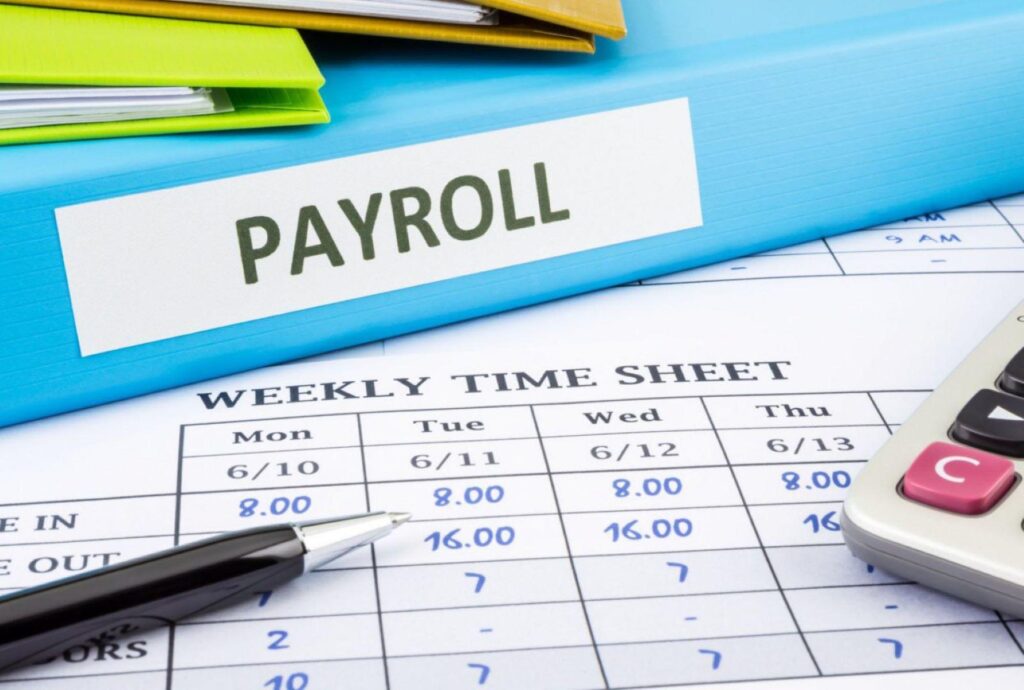
The “payroll red button” myth holds that paying people on time is a single-click task. In fact, ensuring that every single staff member is paid on time requires a wide array of functions, including data analysis, regulatory compliance, payment frequency, frequent payroll access, and trust-building. HR professionals work hard to ensure their organizations are legally compliant while also taking steps to make life easier for employees—for instance, by giving them access to daily or even biweekly payments at their convenience, rather than standard monthly payments. One problem that can stand in the way of payroll professionals, however, is ransomware—a cybersecurity risk that encrypts a company’s files or systems until a ransom is paid. Companies must respond to this risk with a smart strategy that includes strengthening cybersecurity measures and choosing the right payroll providers.
High-Profile Ransomware Attacks on Payroll
Numerous case studies reveal that ransomware impacts far more than the IT department. The famed 2021 attack on Kronos, for instance, disrupted payroll operations and timekeeping for thousands of companies, with many employees having to submit estimated pay amounts for scheduled hours over several weeks. Payroll departments are considered prime targets for cyberattackers because they process large volumes of direct deposits and store sensitive employee data—including Social Security numbers, tax records, identification documents, phone numbers, and bank details. Late payments have a significant impact on employee satisfaction and retention. Nearly half of employees (49%) would look for a new job after just two payroll mistakes, and 13% have considered leaving or have left due to incorrect or late payments.
The Impact of Ransomware on Company Operations
Cyberattackers typically target the systems that enable payroll professionals to process salaries. For instance, they may take over payroll software, so that HR professionals lose access to timesheets, payment schedules, banking integrations, and employee records. As a result, employees may not be paid on time, which can damage morale and trust. When teams perform manual payroll calculations, the risk of human error, duplicate payments, and missed benefits increases. A ransomware attack can essentially bring payroll to a crisis point.
Financial Losses
Companies may also suffer direct financial losses from system restorations and downtime costs. They may also incur fines under regulations such as GDPR, data protection laws, and employee compliance regulations. In 2024, the average ransom demand in the U.S. exceeded $2.5 million, with many small businesses facing demands in the millions despite their relatively small revenues. The average cost of recovering from a ransomware attack, meanwhile (excluding the ransom amount), is about $2.9 million per company. This amount covers downtime, IT work, hardware replacement, and lost business opportunities. For many companies, it can take literally months to fully recover.
Strategies for Preventing Ransomware Attacks
The dramatic consequences that ransomware attacks can have on business operations mean they must be taken seriously. A sound strategy should begin with staff training—showing payroll staff how to identify malicious email messages, which often appear to be from companies or individuals the company regularly interacts with. It is also vital to purchase software from reputable suppliers and keep it up to date. Recently, for instance, the National Security Agency revealed software vulnerabilities in a Windows Server component that allow malicious files or malware to spread across networks. Since then, Microsoft has created software patches. Companies that applied this patch were less vulnerable to malicious programs like WannaCry, a type of malware that spreads easily across networks. Finally, users must regularly back up their data, so they can easily restore their files without paying a ransom. They can do so relatively quickly and inexpensively by saving their files to a USB key, an external server, or a cloud-sharing facility. Some software packages offer a backup facility, allowing payroll professionals to regularly back up payroll data.
Payroll is a key department of any company, as it ensures employees are paid accurately and on time. Ransomware can threaten payroll efficiency by compromising files that are needed for payment, leading to downtime while systems are restored. It can also pose a major financial burden on companies, with even small businesses often being asked to pay millions of dollars. Keeping cyberattackers at bay requires a sound strategy that includes employee training, software updates, and regular data backups, so systems can be restored swiftly and relatively effortlessly.